
Table of Contents
- What Makes a Rum Worth Sipping
- Rum Gift Ideas for Every Budget
- Best Sipping Rum for Depth and Character
- Rum Tasting Glasses and Accessories
- How to Taste Rum: A Simple Guide
- Rum Gift Sets for Special Occasions
- Frequently Asked Questions
Last Updated: October 15, 2026
What Makes a Rum Worth Sipping
A sipping rum is a spirit made to be enjoyed neat or over ice, judged on aroma, texture and finish rather than how well it disappears into a mixer. At SolarRum, we bottle Caribbean rum without added sugar, which means what you taste is what the distillery made.
Three things separate a rum worth pouring slowly from one destined for cola.
First, production style. Column stills give a cleaner, softer spirit; pot stills add heavier, funkier character. The best sipping rums often blend both, and that is exactly what our SR55 does with Jamaican pot still and Dominican column still rum.
Second, ageing. Tropical maturation speeds up the interaction between spirit and cask, drawing out vanilla, oak and dried fruit.
Third, additives. Sugar and glycerol can mask a thin spirit. Look for bottles that state "no added sugar" so the distillery's work stands on its own.
Rum Gift Ideas for Every Budget
A useful budget framework is not about spending more; it is about knowing what each price band realistically buys you in a sipping rum. The bands below reflect typical UK retail pricing for a 70cl bottle, though limited editions, cask strength releases and older expressions can push well beyond them.
Under £50
This is the entry point for a genuinely sippable rum. At this level you are usually looking at:
- Blends of column and pot still spirit, often aged three to eight years
- Tropical maturation in ex-bourbon casks, which is faster and more extractive than cool-climate ageing
- Bottling strengths between 40% and 46% ABV
What to look for: a stated age (even a minimum age), a named origin, and a clear statement on additives. A bottle that says "no added sugar" at this price is doing you a favour, because sugar is often used to thicken a thin spirit.
What to avoid: heavily sweetened spiced rums marketed as sipping rums, and bottles with no age or origin information at all. If the label only says "Caribbean rum", assume the blender is keeping its options open.
A strong example in this band is the Solar Reserve 55 at £47.90, a golden blend of 3, 5 and 8 year old Dominican column still rums lifted by a 3 year old Jamaican pot still rum. Natural caramel, toffee and vanilla sit alongside tropical fruit and a grassy funk. It took 95 points and Gold at the London Spirits Competition, plus 2 Stars at the Great Taste Awards.
£50 to £100
This is where single-origin and vintage-dated bottlings start to appear, and where the jump in quality is most noticeable for a connoisseur.
At this level you can expect:
- Single-origin or single-distillery rum rather than a multi-island blend
- Age statements of eight years and up, sometimes with a vintage year
- Higher bottling strengths, often 46% ABV or above, which carry more aroma and stand up to a drop of water
What to look for: a specific distillery, a vintage or age statement, and ideally a note on whether the rum is tropically or continentally aged.
What to avoid: paying a premium for a decorative box or a celebrity name rather than the liquid. At this price, the bottle should tell you where the rum was made and how long it spent in wood.
The Solar Reserve 8 Year Old at £59.90 suits anyone who prefers depth. It is a single-origin Dominican rum, aged eight years in once-used ex-bourbon American oak, with sweet mango, toffee, coconut, hazelnut and baking spice. Such a complex profile deserves to be savoured from appropriate glassware, and selecting the right personalised whiskey glasses ensures that every nuanced note of the spirit is properly showcased.
Over £100
Above £100 you are paying for rarity, age or both. This is the band for:
- Presentation sets that include two or more expressions for comparison
What to avoid: assuming older is always better. Age is a clue, not a guarantee.
The Solar Reserve Discovery Duo at £101.00 pairs both expressions in one gift set, with 12% off and free delivery. It is the most useful gift for a connoisseur because it lets them compare two styles side by side.

| Gift | Price | Best For | Style |
|---|---|---|---|
| Solar Reserve 55 | £47.90 | Cocktails and easy sipping | Golden blend |
| Solar Reserve 8 Year Old | £59.90 | Neat sipping, richer palate | Single-origin aged |
| Solar Reserve Discovery Duo | £101.00 | Serious enthusiasts, sharing | Two-bottle set |
Best Sipping Rum for Depth and Character
The best sipping rum for depth is one with layered aroma, a rounded mid-palate and a long, dry finish. Solar Reserve 8 delivers that profile, and it is the bottle we reach for when the glass is going to sit for an hour.

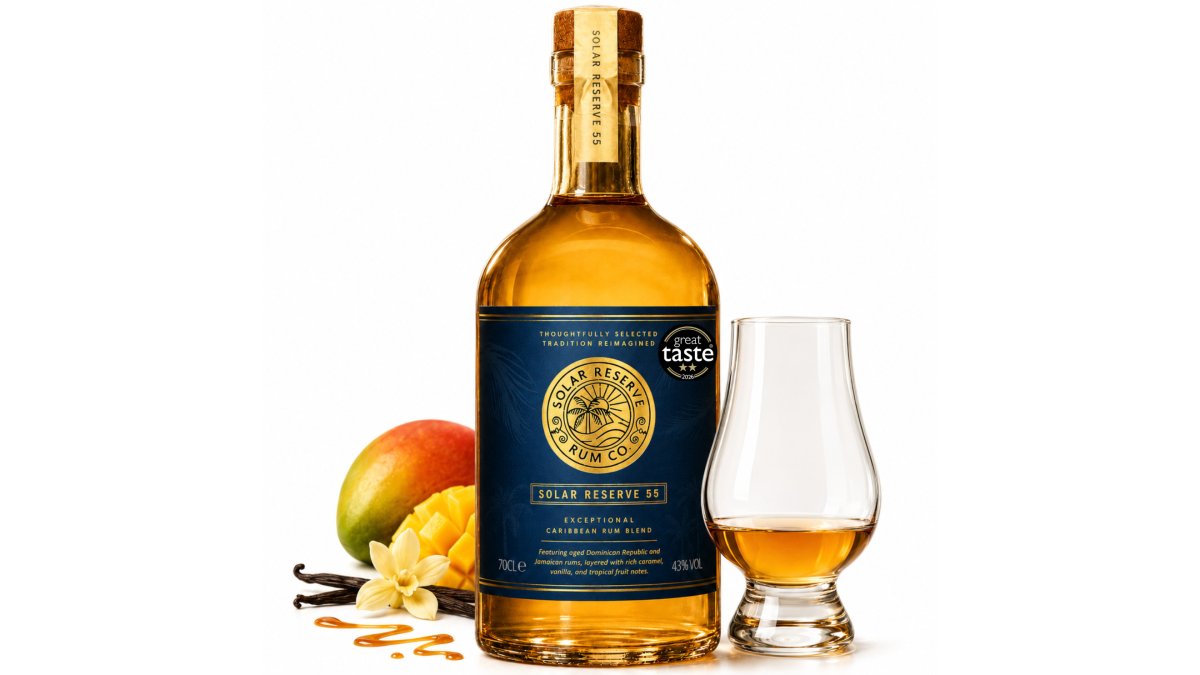
What most guides miss is that ABV changes the experience more than age does. At 46% ABV, Solar Reserve 8 carries enough weight to stand up to a splash of water, which opens the fudge and Christmas spice notes. The SR55, at 43% ABV, is softer and more versatile.

A common mistake is chilling good rum. Cold dulls the aromatics. Serve it at room temperature and let it breathe for a minute or two.
Rum Tasting Glasses and Accessories
Rum tasting glasses shape what you smell before you taste anything. A narrow tulip glass concentrates aromatics toward the nose; a wide tumbler lets them escape.
For a gift, build a small kit:
- A tulip-shaped tasting glass or a heavy crystal tumbler
- A pipette or small jug of still water for dilution
- A tasting notebook for notes on aroma, palate and finish
- Coasters and a bottle stopper to protect what is left
You do not need to spend much. One good glass beats four novelty ones, and a glass that fits in the dishwasher gets used far more often.
How to Taste Rum: A Simple Guide
Tasting rum is a four-step process: look, smell, sip, then finish. Each step takes seconds, but slowing down is the whole point. What most guides leave out is how to translate what you taste into a decision about what to buy next.
- Look. Tilt the glass against white paper. Note the colour and the legs running down the side. Colour tells you more about cask type and time than about quality, because caramel colouring is permitted in many markets.
- Smell. Hold the glass below your nose and breathe gently. Look for fruit, vanilla, oak or spice. If the alcohol pricks, wait a minute and try again.
- Sip. Take a small amount and let it coat your tongue before swallowing. Notice whether the texture is thin, oily or syrupy.
- Finish. Wait. Note how long the flavour lingers and whether it ends dry or sweet. A long, dry finish is usually a sign of a well-made spirit.
Between sips, add a few drops of still water and repeat. The aroma often shifts, and that shift is the most interesting part of the bottle.
Matching a rum to a flavour preference
Once you know what you like, you can shop by flavour profile rather than by brand. A rough framework:
- Sweet and rounded: look for tropical-aged column still rum, ex-bourbon casks and bottling strengths around 40 to 43% ABV. Expect vanilla, toffee and dried fruit.
- Fruity and bright: look for Jamaican or Guyanese rum with a pot still component. Expect banana, mango, pineapple and a distinctive funk.
- Dry and oaky: look for longer continental ageing, ex-sherry or virgin oak casks, and higher ABV. Expect tannin, spice and a drier finish.
- Funky and savoury: look for high-ester Jamaican rum, often bottled at cask strength. Expect overripe fruit, olive and a long, pungent finish.
If you are buying for someone else, ask what they usually drink neat. A bourbon drinker often enjoys a sweet, oak-led rum; a Scotch drinker often prefers a drier, higher-ABV bottling.
Reading an age statement
Age statements on rum are not always what they seem. A bottle labelled "12 years" may contain a small proportion of 12-year-old rum blended with much younger spirit, depending on the rules of the country of origin. Some countries require the age statement to reflect the youngest rum in the blend; others allow an average or a minimum.
A few practical points:
- A minimum age statement is more informative than an average.
- A vintage year (for example, "distilled 2012, bottled 2024") is the clearest form of age information.
- Tropical ageing is faster than continental ageing, so a 6-year-old tropically aged rum can show more cask character than a 10-year-old aged in a cool climate.
- "XO", "Reserve" and "Premium" have no fixed legal meaning in most rum markets and are marketing terms rather than guarantees.
A short note on additives
Some rum-producing countries permit the addition of sugar, glycerol or caramel colouring. This is not automatically a flaw, but it does change the spirit. A rum with added sugar will taste rounder and sweeter and may leave a coating on the glass. If you want to taste the distillery's work rather than the blender's, look for bottles that state "no added sugar" or publish a full disclosure.
Rum Gift Sets for Special Occasions
A rum gift set works for Christmas, Father's Day, birthdays and corporate presents because it gives the recipient a choice, not a single bottle they may already own.
The Solar Reserve Discovery Duo is our recommendation for most occasions. It arrives as a two-bottle set with free delivery and a discount already applied, so there is no code to hunt for. For a smaller gesture, a single bottle of SR55 paired with a tasting glass covers a birthday neatly.
Choosing for a rum lover is really about matching character to occasion, and that is harder than it looks when the shelf is full of near-identical labels. SolarRum bottles Caribbean rum without added sugar, aged in American bourbon oak casks and finished by Scottish cask masters, so the flavour comes from the cask rather than the syrup. Start with the Discovery Duo if you want to compare styles, or the SR8 if you already know they sip neat. Get started with SolarRum and give a bottle that earns its place on the top shelf.
Frequently Asked Questions
What makes a rum suitable for sipping?
A sipping rum should be aged, additive-free and at least 43% ABV so the spirit holds its character. Look for tropical maturation in oak casks, which builds natural notes of vanilla, caramel and spice without added sugar. Solar Reserve 8, for example, is a single-origin 8-year-old Dominican rum at 46% ABV with no additives, giving it the depth and smoothness you want in a glass.
What glass is best for sipping rum?
A tulip-shaped glass or a crystal tumbler works well. The narrower rim of a tulip glass concentrates aromas, while a tumbler lets you add a splash of water or ice without losing the nose. Avoid shot glasses, which trap heat and offer no aromatic focus. A good rum tasting glass is a simple, thoughtful gift that any rum enthusiast will use again and again.
Is a rum gift set a good present for a rum connoisseur?
Yes, especially if it includes two contrasting expressions so the recipient can compare styles. The Solar Reserve Discovery Duo at £101.00 pairs the smooth, versatile Solar Reserve 55 with the richer 8 Year Old single-origin rum. It also comes with free delivery and a limited-time discount, making it a strong choice for birthdays, Christmas or Father's Day.
How do I choose a rum as a gift for someone who already loves rum?
Focus on provenance, age and production style rather than a familiar name. A single-origin aged rum or a limited blend shows you have thought about what they enjoy. Solar Reserve 55 is a 95-point gold medal winner at the London Spirits Competition, blending Jamaican pot still character with Dominican smoothness. It is a distinctive gift for someone who already knows their rum.