
Table of Contents
- What Are English Spirits and High-Proof Drinks?
- Understanding Spirit Proof vs Percentage: How ABV Classifies Spirits
- Production Methods: Distillation Techniques and Their Impact
- UK Spirit Distillation Regulations and Labelling Standards
- Flavor Profiles and Sensory Characteristics
- Premium Rum Alternatives to Traditional Spirits
- English Spirits vs High-Proof Drinks: Key Differences Explained
- Which Should You Choose for Cocktails and Sipping?
- Frequently Asked Questions
Last Updated: September 30, 2026
What Are English Spirits and High-Proof Drinks?
English spirits and high-proof drinks are two distinct categories within the spirits market, each with different production methods, alcohol content, and flavour profiles. Understanding the difference between english spirit vs high spirit matters if you're building a home bar, gifting premium alcohol, or simply exploring what makes certain spirits stand out.
English spirits are classified by geographical origin and production method, whilst high-proof drinks are classified by alcohol content. Some English spirits are also high-proof, but the categories describe different things: one is about origin and method, the other about strength.
SolarRum's SR55 blends Jamaican pot-still complexity with Dominican smoothness, bottled by Scottish cask masters to honour both heritage and precision.
Understanding Spirit Proof vs Percentage: How ABV Classifies Spirits
Alcohol by volume (ABV) measures the percentage of pure alcohol in a spirit. In the UK, ABV is expressed as a percentage, making it straightforward to compare spirits across categories.
Proof, historically used in the UK, is calculated as ABV × 1.75 (40% ABV = 70 proof). This distinction matters when comparing older bottlings or spirits from different markets.
High-proof spirits typically start at 40% ABV and climb from there. Many premium spirits sit between 40-50% ABV for balance. Cask-strength bottlings can exceed 60% ABV, delivering full-bodied intensity and complex flavour development.
Production Methods: Distillation Techniques and Their Impact
Distillation separates spirits from other alcoholic drinks. The method used, pot-distilled versus column-distilled, fundamentally shapes character, mouthfeel, and flavour.
Pot-Distilled vs Column Distillation
Pot-distilled spirits are produced in traditional copper pot stills, where fermented liquid is heated in batches. This method concentrates alcohol while capturing congeners (flavour compounds) that give spirits their complexity. Pot distillation requires skill and patience, making it labour-intensive but rewarding for craft producers.
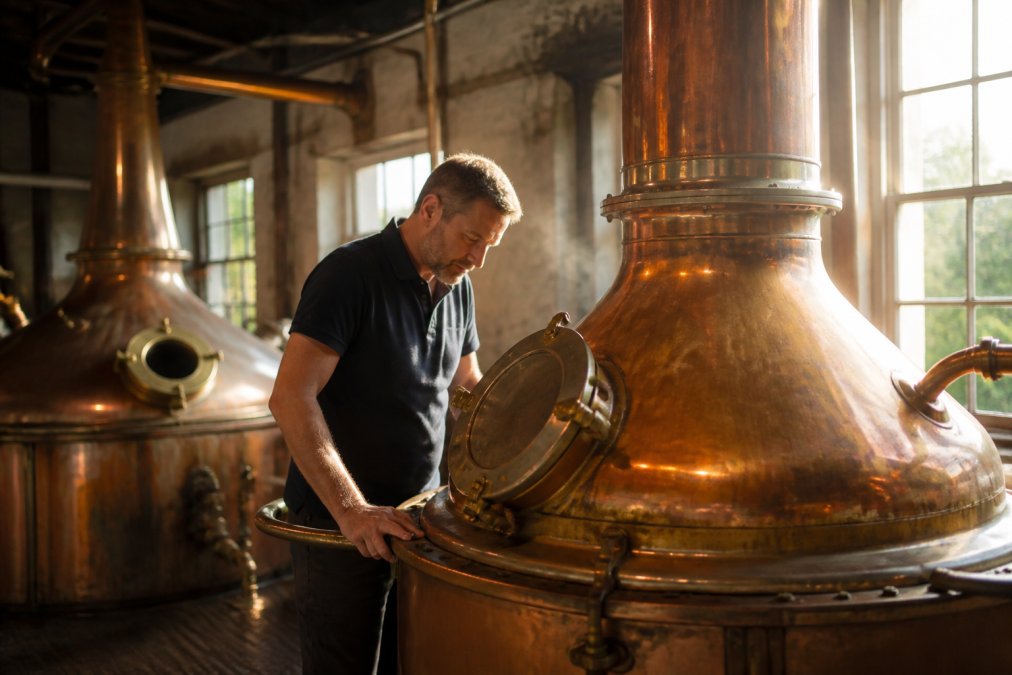
The result is a full-bodied spirit with pronounced character, think of Jamaican rums, which are famous for their pot-still intensity and funky, complex notes.
Column distillation uses continuous processes to separate alcohol efficiently, producing lighter, cleaner spirits with fewer congeners. These are smoother and more neutral, ideal for blending or drinkers preferring subtlety.
Many premium spirits use a blend of both methods. SolarRum's SR55, for instance, combines Jamaican pot-still character with Dominican smoothness, capturing the complexity of traditional pot distillation while balancing it with the refinement of column-distilled spirit.
Fermentation and Raw Materials
Raw materials (sugarcane, molasses, grain, or fruit) and fermentation conditions shape flavour. Longer fermentations develop more esters (fruity, floral notes); shorter fermentations yield cleaner, crisper results.
Sustainable sourcing matters. SolarRum partners with distilleries using locally grown estate sugarcane, reducing environmental impact and supporting local communities, a commitment to terroir that discerning drinkers increasingly value.
UK Spirit Distillation Regulations and Labelling Standards
Spirits sold in the UK operate within a strict regulatory framework designed to protect consumers, maintain quality standards, and prevent misleading marketing. Understanding these regulations is particularly important when evaluating claims about English spirits versus high-proof drinks, as labelling standards directly govern how these terms can be used.
Core Regulatory Bodies and Frameworks
Three primary authorities oversee spirit production: the Food Standards Agency (FSA) enforces labelling and food safety; Trading Standards investigates misleading claims and removes non-compliant products; Geographical Indication (GI) Bodies (Scotch Whisky Association, English Whisky Association) govern protected categories.
Mandatory Labelling Requirements
Every spirit bottle sold in the UK must display:
Alcohol by Volume (ABV): Expressed as a percentage (e.g., "40% vol"), this is mandatory and clearly visible. ABV is the primary mechanism distinguishing high-proof spirits from standard-strength alternatives.
Country of Origin: Must be stated.
Geographical Indication (GI) Protections and English Spirit Standards
English Gin: Must be produced in England using traditional methods (pot-still distillation, juniper-forward, distilled and bottled in England, minimum 37.5% ABV). ABV does not affect the English designation, only the high-proof classification.
Marketing Claims and Regulatory Scrutiny
"No Added Sugar": Heavily regulated; requires laboratory testing confirming no added sugars post-distillation. This is a verifiable assertion, not marketing language.
Age Statements and Maturation Claims
Age statements refer to the youngest component in the bottle. A rum labelled "8 years old" must contain rum matured for a minimum of eight years. Maturation claims (e.g., "aged in American oak") must be accurate; misleading claims are common enforcement targets.
Enforcement and Non-Compliance
Common violations include incorrect ABV declarations, false origin claims, undisclosed sugars, misleading age statements, and unlisted allergens. Penalties range from product removal to fines.
Practical Takeaway for Consumers
When evaluating a spirit's claims:
- Check the ABV first. This is the only objective measure of strength and the primary legal distinction between standard and high-proof spirits.
- Verify the country of origin. If the label claims English production, this is a regulated claim backed by GI protections.
- Look for ingredient transparency. Spirits that disclose added sugars, colouring agents, and cask types demonstrate confidence in their product.
- Be sceptical of unsubstantiated marketing language. Terms like "craft," "premium," or "artisanal" are not legally defined and should be supported by verifiable production details.
- Understand that regulatory compliance is a baseline, not a ceiling.
The regulatory framework exists to prevent deception. By understanding how these standards work, you can decode marketing claims and make purchasing decisions based on what actually matters to you, whether that's English heritage, high proof intensity, or both.
Flavor Profiles and Sensory Characteristics
Spirits differ dramatically in how they taste, smell, and feel on the palate. These sensory characteristics drive preference and determine how well a spirit suits particular cocktails or sipping occasions.
Premium Rum Alternatives to Traditional Spirits
Premium rum offers a compelling alternative to whisky, gin, or vodka, especially if you value sustainability and complex flavours. Caribbean rums range from light and delicate to dark and full-bodied, suiting diverse palates.
English Spirits vs High-Proof Drinks: Key Differences Explained
The distinction between English spirits and high-proof drinks is frequently conflated in casual conversation, but they represent fundamentally different classification systems. Resolving this confusion requires understanding what each term legally and commercially defines.
Definitional Clarity: Origin vs Strength
English spirits are classified by geographical origin and production method, produced in England using traditional techniques. Examples include English gin from London or English whisky from Yorkshire. High-proof drinks are classified solely by ABV (typically 45%+ or 40%+), regardless of origin. The defining characteristic of English spirits is where and how they're made; of high-proof drinks, how much alcohol they contain.
Why the Confusion Exists
Some English spirits are bottled at high proof, and some high-proof spirits are English. An English gin at 47% ABV is both. Marketing language often blurs this distinction; understanding the separate criteria helps consumers decode claims and make informed decisions.
Regulatory Distinctions in Labelling
For English Spirits: GI protection applies to certain categories. "English Gin" must be produced in England using traditional methods (pot-still distillation, juniper-forward). "English Whisky" must be distilled and matured in England for minimum three years. Labels must clearly state country of origin; vague language is prohibited.
Practical Comparison Table
| Criterion | English Spirit | High-Proof Spirit |
|---|---|---|
| Primary Classifier | Geographical origin + production method | Alcohol by volume (ABV) |
| Typical ABV Range | 37-50% ABV (varies by category) | 45%+ ABV (some definitions: 40%+) |
| Origin Requirement | Must be produced in England (or UK, depending on category) | No origin requirement |
| Regulatory Body | FSA, Trading Standards, geographical indication bodies | FSA (ABV labelling only) |
| Labelling Requirement | Country of origin must be stated if claimed | ABV must be stated; "high-proof" is optional |
| Example | English gin from London, 42% ABV | Jamaican rum, 60% ABV |
| Can Be Both? | Yes, an English gin at 48% ABV is both English and high-proof | Yes, a high-proof spirit can originate anywhere, including England |
Consumer Implications
When shopping: prioritise "English" for heritage and tradition; prioritise ABV for intensity and complexity. For both, look for English spirits at 45%+ ABV. Understanding these as separate classifications prevents overpaying for marketing conflation and helps match spirits to your preferences.
Which Should You Choose for Cocktails and Sipping?
Your choice depends on how you plan to use the spirit and what flavours you prefer.
Frequently Asked Questions
What is the legal definition of a spirit in the UK?
Under UK law, spirits are distilled alcoholic beverages with a minimum alcohol by volume (ABV) of 15%, though most spirits exceed 35% ABV. The Scotch Whisky Association and HM Revenue & Customs define spirits by their production method, distillation of fermented material, rather than origin alone. Spirits must be produced through fermentation and distillation processes, and labelling must clearly state the ABV percentage and spirit category, whether that's rum, whisky, gin, or another classification.
How does understanding spirit proof vs percentage help when choosing between English spirits and high-proof drinks?
Proof and percentage are different measurements of the same thing: alcohol content. In the UK, ABV (alcohol by volume) percentage is the standard measure, 40% ABV means 40% pure ethanol. Proof, historically used in the UK, is calculated as ABV × 1.75 (40% ABV = 70 proof). High-proof spirits typically start at 40% ABV and climb from there. English spirits vary widely in ABV, so understanding these measurements helps you identify which drink suits your preference for sipping strength or cocktail application.
What makes premium rum alternatives different from standard high-proof spirits?
Premium rum alternatives distinguish themselves through production methods, raw materials, and maturation. Craft spirits often use traditional pot-distillation techniques, locally sourced botanicals or sugarcane, and aging in quality cask wood, typically American bourbon oak. These rums develop complex flavor profiles with full-bodied mouthfeel and distinctive finish characteristics. Many also avoid added sugar, preserving the natural sensory characteristics from fermentation and distillation.
Are there specific UK labelling requirements I should look for when comparing English spirits and high-proof drinks?
Yes. UK law requires all spirits to display ABV percentage, spirit category, and origin on the label. Sustainability claims, such as locally grown raw materials, must be verifiable and not misleading. When comparing products, check for transparent labelling of production methods (pot-distilled, column-distilled, blended) and cask type. This transparency helps distinguish authentic craft spirits from standard commercial offerings.