
Table of Contents
- Why Artisanal Caribbean Rum Is Worth Seeking Out
- The Difference Between Industrial and Artisanal Rum
- Sustainable Rum Production Methods That Actually Matter
- Best Premium Caribbean Rum Brands to Know in 2026
- How to Read a Rum Label Before You Buy
- Serving Suggestions and Cocktails for Artisanal Rum
- Terroir, Island Character, and What Sets Caribbean Rum Apart
- Frequently Asked Questions
Last Updated: October 1, 2026
Why Artisanal Caribbean Rum Is Worth Seeking Out
Finding where to buy artisanal Caribbean rum in the UK is easy; knowing which bottles deserve your money takes work. At Solar Reserve Rum, we meticulously bottle our premium Caribbean rums in Scotland. Artisanal Caribbean rum is produced in small batches by independent distilleries using traditional methods such as pot stills and natural cask ageing, with no added sugar or artificial flavouring.
The Difference Between Industrial and Artisanal Rum
The difference between industrial and artisanal rum comes down to scale, ingredients, and how much the producer interferes. Industrial rum is made in large volumes from imported molasses and often sweetened or coloured after distillation. Artisanal rum is made in smaller runs from locally grown sugar cane or fresh cane juice, and bottled without additives.
Three practical markers separate the two:
- Base material: fresh cane juice or estate molasses rather than bulk imported syrup
- Distillation: pot stills or a mix of pot and column stills, which retain more character
- Additives: no added sugar, caramel colouring, or flavouring
Sustainable Rum Production Methods That Actually Matter
Sustainable rum production methods that actually matter are the ones you can verify: locally grown sugar cane, distillery-owned estates, and waste reduction. The useful question is whether the distillery grows its own cane or imports it.
Other methods worth looking for:
- Cane by-products used for energy: bagasse, the fibre left after juice extraction, can fuel the distillery's boilers
- Water recycling: distillation uses significant water, and closed-loop systems cut consumption
- Cask reuse: ex-bourbon barrels given a second life rather than new oak felled for the purpose
Best Premium Caribbean Rum Brands to Know in 2026
The best premium Caribbean rum brands bottle at source, declare their age honestly, and add nothing to the spirit. Age statements, cask type, and ABV tell you more than any award badge, what separates artisanal from mass-produced is whether the producer will say where the cane grew and how the spirit was made.
- Jamaican style: high-ester, pot-still-led rum with a bold, fruity, sometimes savoury character. The esters come from long, slow fermentation and from adding dunder, the acidic residue left in the still after a previous run, back into the wash. Expect overripe banana, pineapple, and a funky edge.
- Barbadian style: the classic balanced column-and-pot blend. Lighter than Jamaica, richer than most Spanish-speaking islands, with toffee, dried fruit, and a clean, dry finish, the style most people picture for a well-made aged rum.
- Grenadian style: often made from fresh cane juice rather than molasses, giving a grassier, more vegetal spirit with a distinctive oily texture. Grenadian rums show more of the cane and less of the cask.
- Spanish-speaking islands (Dominican Republic, Cuba, Puerto Rico): typically column-still rum from molasses, aged in ex-bourbon American oak, with a softer, sweeter profile of vanilla, coconut, and tropical fruit. The most approachable style for a first artisanal bottle.
A beginner's checklist for spotting a genuine artisanal bottle
- The distillery is named. If the label says only the brand and the country, the rum is likely sourced from a bulk producer and rebranded.
- The age statement is specific and honest. "8 years" should mean the youngest rum in the blend is 8 years old. Vague terms like "reserve" or "extra old" carry no legal meaning in the UK.
- The ABV is above 40%. Many heavily sweetened rums are bottled at 37.5% ABV, the UK legal minimum, because added sugar provides the mouthfeel. A serious artisanal rum is usually bottled between 43% and 46%.
- The cask type is listed. Ex-bourbon American oak gives vanilla and coconut; ex-sherry or ex-cognac casks push dried fruit and spice. A producer proud of their maturation will say which they used.
- There is a "no added sugar" or "no additives" claim. If the producer does not mention it, assume it is not true.
- The bottle size and strength are stated clearly. A 70cl bottle at 46% ABV contains more spirit than the same bottle at 37.5%, so read the price against that.
Solar Reserve 55: Award-Winning Golden Blend
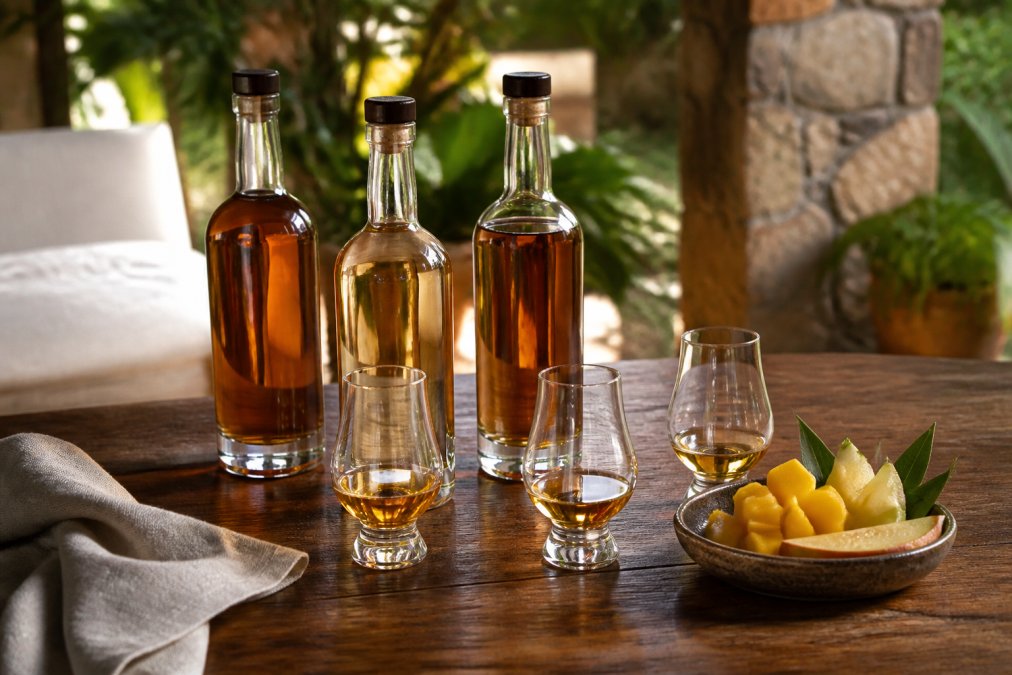
Solar Reserve 55 Exceptional Caribbean Rum Blend combines carefully selected 3, 5 & 8 year old Dominican Republic column still rums from Alcoholes Finos Dominicanos (AFD) enriched by a 3 year old Jamaican pot still rum from a renowned distillery in Lluidas Vale. Bottled at 43% ABV, £49.90 for 70cl.
Solar Reserve 8: Single-Origin Sipping Rum
Solar Reserve 8 is Single Origin 8 Year Old Dominican Republic Rum is made from fresh cane juice using column stills and distilled by Alcoholes Finos Dominicanos (AFD). Aged 8 years at origin with full tropical maturation in once-used ex-bourbon American oak barrels. It sits at 46% ABV and £64.90 for 70cl.
Solar Reserve Discovery Duo: The Gift-Ready Tasting Set
The Discovery Duo bundles both expressions at £101.00 with free delivery, a 12% saving. It's the simplest way to work out which style you prefer before committing to a full bottle.
Product |
ABV |
Price |
Best For |
|---|---|---|---|
43% |
£49.90 |
Cocktails and everyday sipping |
|
Solar Reserve 8 |
46% |
£64.90 |
Neat sipping |
Discovery Duo |
43% / 46% |
£101.00 |
Gifting and comparison |
How to Read a Rum Label Before You Buy
Reading a rum label means checking four things in order: age statement, ABV, cask type, and ingredient list. Everything else is decoration.
- Does the label name the distillery or estate?
- Is there a clear age statement?
- Is the ABV above 40%?
- Does it say "no added sugar" or "no additives"?
- Is the cask type listed?
Serving Suggestions and Cocktails for Artisanal Rum
Serving artisanal rum well means matching the bottle to the job: a cask-aged, higher-ABV rum rewards slow sipping, while a golden blend holds its own in a mixed drink. Unlike mass-market rum, you cannot rely on added sugar to cover mistakes.
Sipping: glassware, temperature, and the two-minute rule
For the Solar Reserve 8, pour 25ml neat into a tumbler or copita and let it sit two minutes so the vanilla and oak open up. One ice cube softens the 46% ABV without drowning the fruit. Start at room temperature, chilling suppresses the esters that make aged rum worth drinking.
Cocktails that suit an additive-free rum
For cocktails, the Solar Reserve 55 is the more flexible option because its 43% ABV and balanced profile sit comfortably alongside other ingredients:

- Daiquiri: 50ml rum, 25ml fresh lime juice, 15ml sugar syrup, shaken hard and double strained into a chilled coupe
- Rum Old Fashioned: 50ml rum, 5ml sugar syrup, two dashes of bitters, stirred over ice with an orange twist
- Rum and ginger: 50ml rum over ice with ginger beer and a squeeze of lime
- Corn 'n' Oil: 50ml rum, 15ml lime juice, 10ml falernum, two dashes of bitters, built over crushed ice
Food pairings for aged Caribbean rum
This is where artisanal rum earns its place at the table. Aged rum pairs like a good cognac or whisky, match weight with weight and let the cask notes echo the food.
- Solar Reserve 8 (oak-forward, 46%): dark chocolate above 70% cocoa, salted caramel, aged hard cheese such as a mature cheddar or a Comté, and roasted nuts. The chocolate's bitterness meets the oak, and the cheese's salt lifts the tropical fruit.
- Solar Reserve 55 (golden blend, 43%): grilled pineapple, jerk-spiced chicken or pork, banana tarte tatin, and spiced fruit cake. The Jamaican pot still component stands up to the heat and allspice in Caribbean cooking, while the Dominican column still rum smooths the finish.
- General rule: the older and more oak-driven the rum, the darker and richer the food should be. A light, grassy cane-juice rum wants fresh fruit and seafood; a heavily cask-aged rum wants chocolate, dried fruit, and cured meat.
Storage and serving temperature
Store bottles upright, away from direct sunlight, at a stable room temperature. Rum does not improve in the bottle but degrades in a warm, bright kitchen. Once opened it holds character for several months, longer at higher ABV. Never refrigerate aged rum; it mutes the aromatics.
Terroir, Island Character, and What Sets Caribbean Rum Apart
Terroir in rum refers to how a specific island's soil, cane variety, and climate shape the final spirit, the same principle that separates wine regions, applied to sugar cane.
Frequently Asked Questions
What defines an artisanal Caribbean rum?
Artisanal Caribbean rum comes from small-batch production where the distiller controls the full process, from cane source to cask. Key markers include estate-grown sugarcane rather than imported molasses, pot still or column still distillation at origin, and ageing in tropical climates. Many artisanal producers skip added sugar and artificial flavourings, letting the natural barrel character show through. Solar Reserve 55, for example, blends Jamaican pot still rum with Dominican column still rums and is bottled without additives.
How can I verify the authenticity of Caribbean rum online?
Check the label for a named distillery, country of origin, and age statement. Look for terms like single origin, estate-grown, or bottled at source, which signal traceability. Award listings from competitions such as the London Spirits Competition or The Spirits Business Rum and Cachaça Masters add third-party credibility. Solar Reserve 55 holds a 95-point Gold Medal from the 2025 London Spirits Competition and Gold at the 2026 Rum and Cachaça Masters, so the claims are independently verified.
Are there specific UK retailers specialising in craft Caribbean spirits?
Several UK-based online specialists stock craft Caribbean rum, but availability varies. Buying directly from the producer's own site gives you the fullest range, freshest stock, and often free delivery on select orders. SolarRum ships across the UK and offers the full Solar Reserve range, including the Discovery Duo at £101.00 with free delivery. Direct purchase also means you can ask about batch dates and cask details before committing.
What should I look for on a label to identify premium Caribbean rum?
Prioritise age statements, distillery names, and cask type. An 8-year-old single-origin rum aged in ex-bourbon American oak, like Solar Reserve 8, tells you exactly what you are drinking. Check the ABV: 43% to 46% is typical for premium sipping rum and indicates minimal dilution. Avoid labels that list added sugar or artificial flavourings. Terms like natural flavour, cask-aged, and bottled at source are reliable indicators of quality.
Does artisanal Caribbean rum work well in cocktails like a Daiquiri?
Yes. A well-made artisanal rum brings natural caramel, toffee, and tropical fruit notes that lift a Daiquiri without needing extra sugar syrup. Solar Reserve 55 at 43% ABV has enough body to hold its own against lime and citrus, and its Jamaican pot still character adds a grassy complexity that mass-market rums lack. For a Rum Old Fashioned, Solar Reserve 8 at 46% ABV delivers the depth and spice needed to stand up to bitters and orange peel.