
Last Updated: November 7, 2026
Quick Summary
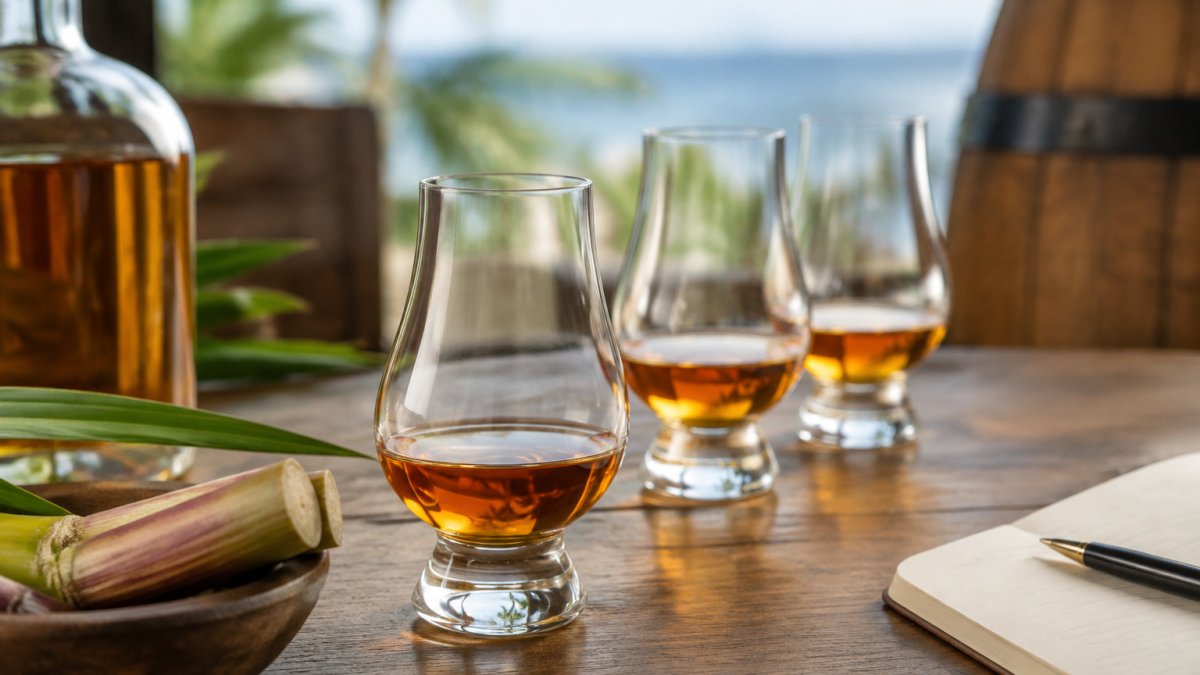
The best rum tasting glasses for sipping are tulip-shaped nosing glasses with a tapered rim and a short stem, which concentrate aroma and keep your hand away from the bowl. Fill to about a third of the bowl so you can swirl without spilling. A Glencairn or copita works just as well.
- Tumblers suit rum on the rocks and long drinks, while tulip and copita styles suit neat sipping.
- Pour around 25ml and let the spirit rest a minute before nosing to let sharper alcohol notes flash off.
- Nose from below your chin first, then use two or three short sniffs rather than one deep inhale.
- Hand wash in warm water with unscented washing-up liquid and dry immediately with a lint-free cloth.
- Start with two copitas or two Glencairns so you can compare pours side by side.
Table of Contents
- Why the Glass Changes What You Taste
- The Rum Nosing Glass: Bowl Shape, Rim and Headspace
- Finding the Best Glass for Sipping Rum
- Is a Whisky Glass for Rum Any Good?
- How to Taste Rum: A Step-by-Step Method
- Matching Glassware to Rum Style, Temperature and Cocktails
- Cleaning, Storage and Choosing Your First Set
- Build Your Tasting Flight with Solar Reserve
- Frequently Asked Questions
Why the Glass Changes What You Taste
Rum tasting glasses are vessels shaped to concentrate aroma and deliver spirit to the right part of your palate.
Many people serve a good bottle in whatever tumbler is in the cupboard, then wonder why it tastes thin.
Aroma compounds behave the same way regardless of brand, and the physics of the glass is well understood. It is physics.
Aroma compounds are volatile. They evaporate from the liquid surface and rise. For the deeper background on rum production and styles, see The Solar Rum Guide.
Research published in Beverages (MDPI) on the physics and sensory science of spirits confirms that glass geometry shapes how volatile compounds reach the olfactory system.
Below, we break down which glasses work, how to use them, and where most buying advice goes wrong.
The Rum Nosing Glass: Bowl Shape, Rim and Headspace
The rum nosing glass is a small, stemmed vessel with a bulbous bowl and a narrow rim, designed to trap and focus aroma.
Bowl shape matters because it governs surface area. A wider bowl exposes more liquid to air, which speeds evaporation.
Rim diameter controls the funnel. A tapered neck narrows the opening, so aromas pool rather than disperse. Swirl the glass and you coat the walls, releasing another wave of volatile compounds.
Headspace is the gap between liquid and rim. Too much and the aroma diffuses. Too little and you cannot swirl without spilling.
The Distillery Products overview of tasting glasses in the spirits industry groups Glencairn and copita styles among the small-format glasses used for judging. That is the format to aim for.
Finding the Best Glass for Sipping Rum
The best glass for sipping rum is a tulip-shaped nosing glass with a tapered rim and a short stem. It concentrates aroma, keeps your hand away from the bowl, and suits neat pours from 40% ABV upward.
But "best" depends on how you drink. Here is the short version:
| Glass Style | Best For | Aroma Focus | Handles Ice |
|---|---|---|---|
| Tulip / copita | Neat sipping, judging | High | No |
| Glencairn | Neat sipping, tasting flights | High | No |
| Tumbler | Rum on the rocks, long drinks | Low | Yes |
| Snifter | Bold aged spirits, warming | Medium | No |
Tulip and Copita Styles
Tulip and copita glasses are the default for serious tasting. Both taper at the top. Both have stems. Both reward a slow, deliberate pour.
The tulip is wider at the base and narrows sharply. The copita is a little more open, closer to a sherry glass. In practice, the difference is small. Either will outperform a tumbler for neat sipping.
A tulip-shaped nosing glass suits neat rum, and a tumbler suits rum on ice.
Tumblers and Snifters
Tumblers are for drinking, not analysing. They are wide, heavy-bottomed, and stable. If you take your rum with ice or a splash of ginger beer, a tumbler is the right call.
Snifters are the big-bowled brandy glasses. They look impressive and they work for bold, aged spirits. The trade-off is alcohol burn. A wide bowl with a narrow top can push fumes up hard on a high-ABV pour.
A common mistake is buying a snifter for a light golden rum. Save it for the dark stuff.
Is a Whisky Glass for Rum Any Good?
A whisky glass works well for rum if it is a tulip or Glencairn shape. Both spirits share the same aroma problem, so the same tapered vessel solves it. A wide rocks glass does not.
This is where most guides get it wrong. They treat rum and whisky as different categories needing different kit. They are not. The physics is identical.
If you already own a Glencairn, use it. Do not buy a "rum glass" that is a Glencairn with a different logo on the base. Spend the money on the bottle instead.
Where a dedicated rum glass earns its keep is in the ritual. If you want the deeper background on why a good bottle rewards a neat pour, read why premium rum tastes better neat.
How to Taste Rum: A Step-by-Step Method
How to taste rum: pour a small measure, let it rest, nose it gently, sip slowly, and note what changes. Because controlling how aromas reach the nose is central to tasting spirits, the same patient approach carries naturally from rum to whisky.
Here is the sequence we recommend, with the mechanism behind each step:
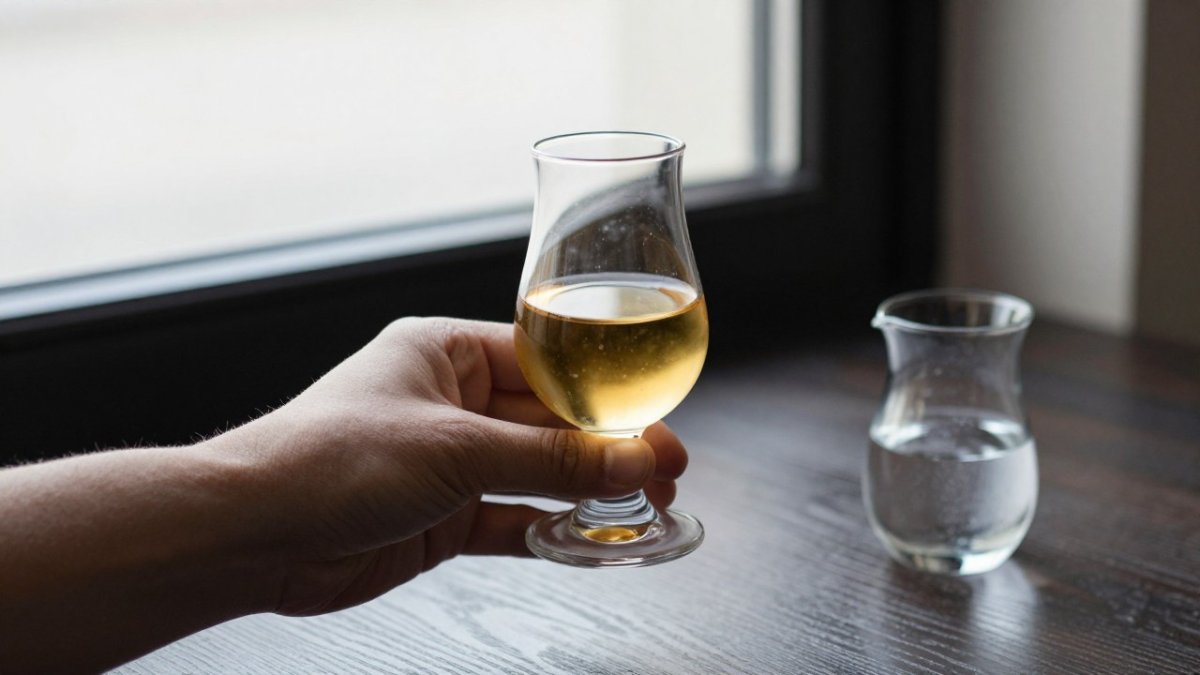
- Pour a small measure. Around 25ml is enough. Fill to about a third of the bowl. That headspace is deliberate: too little and you cannot swirl without spilling, too much and the aroma diffuses before it reaches the rim.
- Let it rest for a minute. The spirit needs to settle after pouring. This is called degassing, the most volatile compounds, including some of the sharper alcohol notes, flash off first. Resting lets that initial burst pass so the fruit and wood notes are not buried.
- Swirl gently. Coat the walls of the glass. This increases the surface area of liquid exposed to air and releases another wave of aroma compounds. Watch for legs running down the side; they indicate viscosity, which often correlates with body and age.
- Nose from a distance first. Hold the glass below your chin. Breathe normally. Do not plunge your nose in. The olfactory system saturates quickly, and a close first sniff can numb you to the finer notes for the rest of the pour.
- Nose closer, slowly. Move in. Short sniffs, not long inhales. Long inhales flood the receptors and shut down discrimination. Two or three short sniffs tell you more than one deep one.
- Sip a small amount. Let it coat your palate. Note the mouthfeel and viscosity. The first sip often tastes hotter than the second because the palate is adjusting to the ABV.
- Add a drop of water. Two or three drops open the spirit. Water lowers the ABV slightly and changes how volatile compounds partition between liquid and air, which can release aromas that alcohol was masking. Try again and compare, some rums improve, some flatten.
- Write down three tasting notes. Fruit, wood, spice. Keep it simple. Comparing written notes across two pours is what turns a drink into a tasting.
If you want to run this as a group session, our guide on how to host a rum tasting walks through the full setup.
Watch out: nosing a high-ABV rum too aggressively will sting and shut down your sense of smell for the rest of the session. Start far away and move in.
A common pattern among first-time tasters is to skip the rest and go straight to a deep sniff. That is the single fastest way to conclude a good rum is 'harsh' when the problem was technique, not the bottle.
Matching Glassware to Rum Style, Temperature and Cocktails
Match the glass to the serve, not the bottle. Neat aged rum wants a tulip. Spiced rum over ice wants a tumbler. A Daiquiri wants a coupe. Get that right and the drink improves before you touch the recipe.
Temperature and glass thickness matter more than most people think. Thin crystal warms fast in the hand, which is why stems exist. A stemmed glass keeps your body heat out of the liquid.
For cocktails, the glass is part of the build. A coupe delivers a Daiquiri without dilution. Our full range is worth browsing if you are matching bottles to serves.
Spiced rum and aged rum behave differently. Spiced rums are built for mixing and ice. Aged rums reward a narrow rim and a slow sip. Do not serve an 8-year-old in a pint glass.
Cleaning, Storage and Choosing Your First Set
Crystal clarity matters for presentation but not for taste. Lead-free crystal is the safer choice for anything you drink from regularly. Plain glass performs nearly as well and costs less.
Cleaning is where good glasses go wrong, and it is the part most guides skip entirely.
Hand wash in warm water with a drop of unscented washing-up liquid, rinse well in warm water, and dry immediately with a lint-free cloth.
Store glasses upright and keep them away from strong smells, as glass can pick up odours from nearby cleaning products, coffee and cooking.
For a first set of rum tasting glasses, buy two copitas or two Glencairns. Two is enough to compare pours side by side, which is the whole point of a tasting. Add tumblers later for ice drinks.
A practical first-set checklist:
- Two tulip or copita glasses for neat sipping and comparison
- One tumbler for ice and long drinks
- A small water jug for adding drops
- A lint-free cloth kept separate from kitchen use
That kit covers neat tasting, side-by-side comparison, and casual serves without buying glassware you will not use.
Build Your Tasting Flight with Solar Reserve
A flight works best with two contrasting pours. One golden blend, one aged dark rum. That contrast teaches you more in one sitting than a dozen single pours.
Our Solar Reserve Discovery Duo is built for exactly this.

Set them side by side in two copitas. Nose both. Sip both. Note how the pot still character sits against the deeper vanilla and oak of the aged expression.
The duo is £98.10 with free delivery. It is the simplest way to start a flight without guessing.
Building a tasting setup is not about buying the most expensive glass on the shelf. It is about matching the vessel to the pour and giving the aroma somewhere to go.
Get started with SolarRum and taste the difference a proper glass makes to an award-winning, additive-free Caribbean rum.
Frequently Asked Questions
Do you need a special glass to taste rum?
No, but it helps. A dedicated rum tasting glass narrows the rim so volatile compounds gather in the headspace instead of drifting away, which makes nosing easier. A tapered tulip or copita style does this best. That said, glassware effects are still studied rather than settled, and some drinkers happily sip from a tumbler. If you already own a small stemmed glass, start there before buying a set.
Is a whisky glass suitable for sipping rum?
Often yes. A Glencairn-style whisky glass is a tapered nosing glass by design, so it works well for neat rum: the narrow rim concentrates aroma and the short stem keeps your hand away from the bowl. The main trade-off is size. Whisky glasses are built around smaller pours, so a generous measure of rum sits closer to the rim. A whisky glass for rum is a sensible starting point if you already have one, and a dedicated rum nosing glass is worth adding later if you taste regularly.
How much rum should you pour for a tasting?
Pour roughly 25 ml, about a single measure, into a glass with a bowl capacity of 150 to 200 ml. That leaves enough headspace for the aromas to collect without the liquid reaching the rim. For a flight of three or four rums, keep every pour the same size so you compare like with like. If you are tasting a cask-strength or 46% ABV bottling such as Solar Reserve 8, add a few drops of water between sips rather than filling the glass higher.
Should you warm a rum glass before tasting?
Usually not. Cupping the bowl in your palm raises the temperature gently and releases more aroma, which suits a rich aged rum on a cold evening. But heat also drives off the lighter volatile compounds and pushes alcohol forward, so it can flatten delicate notes. Try the first sip at room temperature, then cup the glass and compare. Thick crystal holds temperature longer than thin glass, so the same rum can smell different in two glasses.
